
U.S. and EU AI Safety Rules for Construction Sites Diverge
The EU AI Act and the U.S.'s deregulatory stance are creating a compliance split for AI-enabled construction safety tools. Here's what cross-border builders need to know.

DOE's ABC Initiative expands modular construction funding, offsite manufacturing pilots, and workforce training, backed by over $100M in federal investment.
The EU AI Act and the U.S.'s deregulatory stance are creating a compliance split for AI-enabled construction safety tools. Here's what cross-border builders need to know.

DOE expands its Advanced Building Construction Initiative with new grant rounds, open-standard component interfaces, and workforce training pipelines.

NIBS 2026 Building Innovation Conference highlights digital permitting and AI plan review tools that could cut construction approval cycles from weeks to days.

Design-build accounts for over 44% of U.S. construction spending. Explore how this delivery method accelerates public projects, manages risk, and integrates BIM.

The DOE's Advanced Building Construction Initiative is reshaping modular and offsite construction with $120M+ in federal R&D. Here's what it means for the industry.

DOE's Advanced Building Construction Initiative expands federal funding for modular, prefab, and digital construction to accelerate energy-efficient building at scale.

EU AI Act and U.S. outcomes-based AI policy are diverging, raising cross-border compliance costs and certification challenges for construction equipment makers.

California's DIR unveils AI field service interoperability and cybersecurity standards for construction, covering data schemas, encryption, and 24-hour breach notification.

A Massachusetts hospital breaks ground on a modular data center using liquid cooling to cut energy use 25-35%. What it means for healthcare infrastructure.

The EU AI Act and US NIST/OSHA frameworks are driving global construction AI compliance in opposite directions. What it means for contractors and equipment suppliers.

DOE's Advanced Building Construction Initiative has committed over $120M across multi-state grant rounds targeting modular standards, AI manufacturing, and digital twin interoperability.

Hazelview Ventures backs buildtech to tackle construction's 50-year productivity crisis. How automation, AI design, and robotics investments translate to real project outcomes.

A SWOT analysis of Procore Technologies examines its competitive strengths, vendor lock-in risks, interoperability pivot, and threats from open standards in maturing construction SaaS.

Greystar breaks ground on a 390-unit, $150M modular project in Taunton, MA-the state's largest ever-testing offsite construction's scalability for national reach.

Deere's Q2 FY2026 results show Construction & Forestry sales up 29% to $3.79B, with order books at a 2-year high, signaling sustained non-residential and infrastructure demand.

EU and U.S. regulators diverge on AI safety rules for construction sites, creating compliance uncertainty for contractors deploying sensors and analytics.

Detroit-area modular startup Ginosko Modular expands its 105,000-sq-ft Romulus factory, creating 100+ skilled manufacturing jobs amid Michigan's affordable housing crisis.

A modular construction startup is bringing 162 skilled jobs to Detroit, leveraging the region's manufacturing talent and robotics infrastructure.

A DOE lab project spotlights prefabrication's potential - and the policy, standards, and data governance gaps that must close before offsite construction can scale.

Federal legislation and state code updates in 2024-2025 are removing key barriers to modular and prefabricated home delivery, reshaping inspection, financing, and approval rules.

AI sensors and real-time analytics are reshaping construction safety and productivity. Here's what firms must address on data governance, regulation, and training.

Construction CISOs reshape project governance as cyber-physical threats from ransomware, IoT vulnerabilities, and supply chain attacks hit record levels in 2025.

BLOX, now the largest U.S. modular healthcare manufacturer, offers a replicable DMC model that cuts hospital build times and costs nationwide.

DOE's Advanced Building Construction Initiative has deployed $125M+ to accelerate modular, prefabricated, and digital construction, with implications for standards, workforce, and procurement.

Alabama's BLOX leads U.S. modular hospital construction, but regulatory gaps, supply chain risks, and financing barriers must be resolved to scale nationally.

The DOE's Advanced Building Construction Initiative distributes federal grants to standardize modular construction, BIM workflows, and robotics across U.S. states through 2026.

ECOncrete raises $14M led by Builders Vision to scale bio-enhancing marine concrete technology for ports, coastlines, and offshore infrastructure worldwide.

Maine targets an 84,000-unit housing gap with modular factory reforms, but licensing rules and supply-chain pressures keep its largest plant at half capacity.

DOE's $58M+ Advanced Building Construction Initiative advances modular, prefab, and AI-enabled construction standards as FY2026 budget proposals threaten a 74% cut to its parent office.

NASA robotics, FOSS sensors, and 3D printing systems are reaching U.S. job sites via technology transfer deals, reshaping construction productivity and safety.

2024 IBC fire, seismic, and documentation codes taking effect across U.S. states in 2026 are reshaping modular construction compliance, timelines, and factory certification.

Industry surveys show AI adoption in construction is held back by training gaps, accuracy concerns, and cost barriers, even as upskilling programs expand.

Denver's West Holden Place-the city's largest modular apartment project-cut build time by 40% and costs by 25%, prompting Colorado to enact landmark modular building code reform.

NUS researchers develop a 3D-printable concrete mix replacing 60% of cement with waste glass powder, cutting CO₂ by 52% while meeting structural-grade performance.

NUS researchers validate structural 3D-printed concrete using waste glass powder, cutting CO₂ emissions 52% and manhours 50% in Singapore's first on-site structural 3DCP trial.

Ulster County awards a $50K-backed contract to develop a modular construction strategy and facility plan aimed at building affordable housing and local jobs.

Ulster County taps The Mod Squad Team to plan a modular home factory backed by a $50K state grant, targeting affordable housing and workforce development.

CMHC expands mortgage insurance to cover prefabricated and modular homes, launching Prefab Plus and broadening MLI Select eligibility for multi-unit builds.

Construction firms formalize data standards and interoperability frameworks to drive measurable productivity gains on job sites and in prefabrication facilities.

Ulster County taps a $50K state grant to hire a modular construction consultancy, planning a factory-built housing facility to cut timelines and costs.

The DOE's ABC Initiative expands modular and digital construction standards across states, with new funding, workforce training, and procurement implications.

Ulster County, NY hires a modular construction consultancy to plan a factory-built housing facility, backed by a $50,000 state grant, to cut costs and build times.

U.S. construction firms are ramping up digital spending, but with 70% lacking a tech roadmap and ROI payback exceeding two years, productivity gains remain elusive.

CMHC launches Prefab Plus for individual buyers and expands modular insurance to all multi-unit products, removing a key financing barrier for off-site construction.

AI-driven data center construction is forging new union-tech alliances, intensifying upskilling demands, and reshaping safety standards across U.S. building trades.

DOE's Advanced Building Construction Initiative deploys hundreds of millions to modernize U.S. modular standards, digitize design workflows, and build a new construction workforce.

Terran Robotics' Texas AI clay-adobe pilot redefines affordable modular housing. Explore the technology, building codes, sustainability metrics, and developer implications.
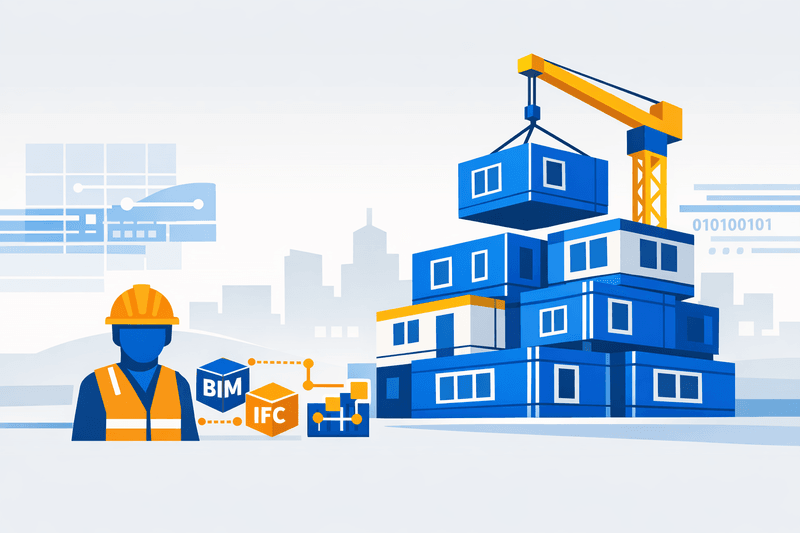
The federal ABC Initiative expands state pilots bringing modular construction and BIM-based procurement reform to public works, with major implications for contractors and municipalities.

Modular, prefabricated data centers are reshaping AI infrastructure delivery - cutting timelines from 3 years to 6 months while tackling liquid cooling and grid bottlenecks.

DOE's Advanced Building Construction Initiative drives modular and digital build standards across U.S. public works with $31.8M in pilots and five-state code adoption.

DOE's Advanced Building Construction Initiative expands state pilots for modular, prefab, and digital workflows on public works, backed by federal funding and new design-build laws.

Massachusetts deploys robotic microfactories and modular housing to address a 222,000-unit deficit, but zoning rules and financing gaps remain key obstacles.

DOE's ABC Initiative drives modular and prefab construction into federal public works through new procurement standards, BIM mandates, and multi-agency pilots in 2026.

New benchmarks confirm BIM, IoT, and digital workflows deliver 14-15% productivity gains and up to 10% cost reductions in construction, per McKinsey and Deloitte data.

The U.S. DOE's Advanced Building Construction Initiative expands nationally, setting cross-sector standards for modular, prefab, robotics, and digital twin technologies.

Construction firms and regulators are scaling IoT analytics, wearable safety devices, and data governance frameworks to protect workers in modular construction.

Texas data centers are luring electricians from housing projects with wages up to $35/hr, stretching residential timelines and straining a workforce already short 439,000 workers.

Federal procurement reform and the pending CFOC/ICC 1220 modular interface standard are accelerating offsite construction adoption across U.S. public works in 2026.
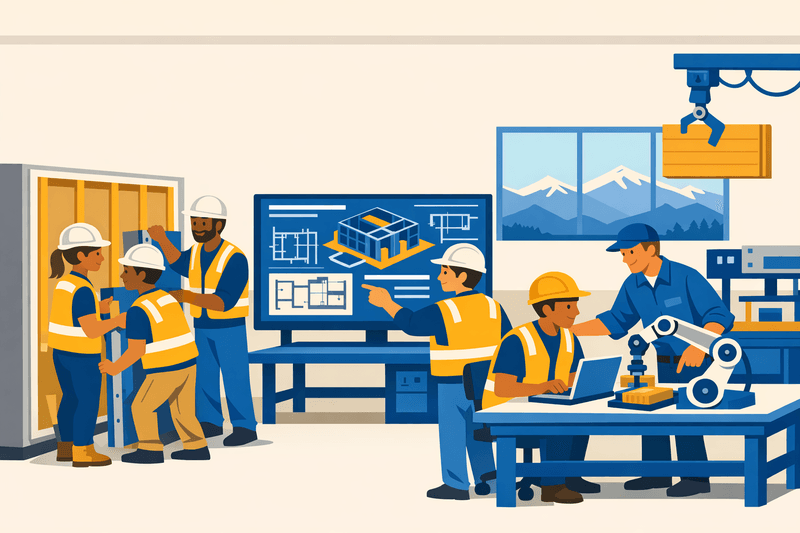
Eastern Wyoming College launches a Construction Technology program as U.S. community colleges expand modular and BIM training to address a projected 499,000-worker shortage in 2026.

Virginia, Texas, and Minnesota expand modular data center permitting pilots, targeting up to 60% faster review cycles through standardized codes and third-party inspection.

Federal agencies are overhauling modular construction procurement in 2026 with new BIM mandates, FAR reforms, digital twin requirements, and supply chain rules.

NABTU, Microsoft, and the DOL are closing construction's AI-readiness gap through funded apprenticeship pathways and credentialed training programs.

AluHouse Group debuts steel modular multifamily system at 2026 World of Modular, winning four MBI Awards of Distinction while launching its first U.S. project.

ICON launches ICON Prime, a defense and space unit backed by $130M+ in Army contracts and a $57.2M NASA deal to 3D-print lunar infrastructure.

LAX's $421M Midfield Satellite Concourse South opens on time using modular OCR construction - nine segments built offsite, moved 1.75 miles, assembled in one month.
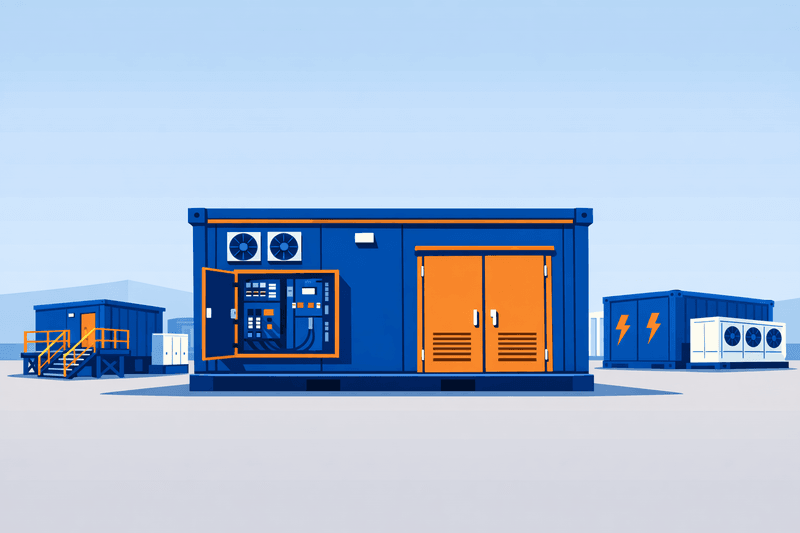
Panel Built expands prefabricated e-houses and BESS enclosures for data centers as the modular market targets $75B by 2030 on hyperscale and AI demand.

LAX's $421M Midfield Satellite Concourse South opens after pioneering modular OCR construction-nine segments built offsite and moved 1.75 miles into place.

Construction M&A hit 833 deals in Q1 2026 as data centers, BABA mandates, and software consolidation reshape tendering and public procurement.

State and city agencies pilot modular data center permitting programs using digital dossiers to cut approval timelines by up to 50% amid surging AI demand.

Hyundai Elevator's ENOBLOC system becomes the world's first modular elevator commercially installed in a high-rise, cutting installation time by up to 80%.

Federal procurement reforms and FAR overhaul accelerate modular construction in U.S. public works, yielding 20-50% schedule gains - but code fragmentation and labor risks persist.

LAX's $421M Midfield Satellite Concourse South opened on time using modular OCR construction, offering a replicable model for airports and infrastructure owners.

PCC's new 25,000 sq ft Building & Construction Technology Center expands BIM, HVAC, and heavy equipment training to address the 439,000-worker skilled trades gap.
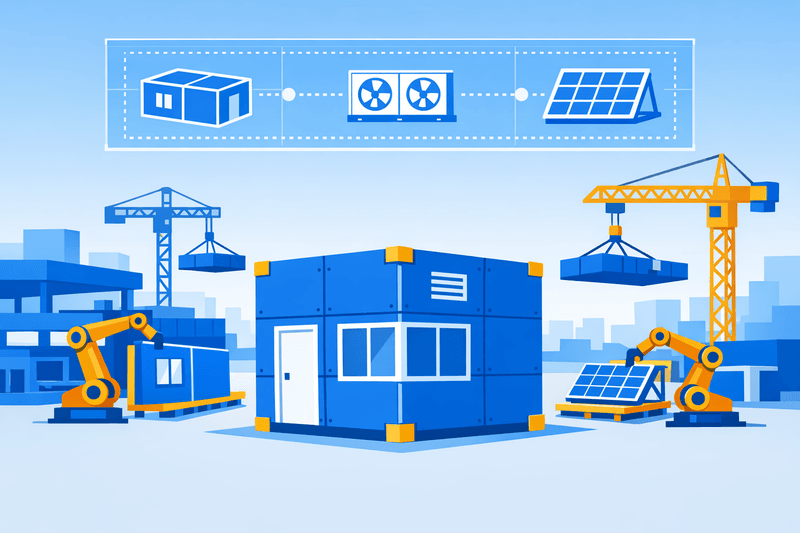
DOE's ABC Initiative deploys $65M+ in funding, retrofit benchmarks, and cross-sector collaboration to standardize industrialized construction and modernize U.S. building delivery.

The DOE's Advanced Building Construction Initiative is accelerating modular standards and procurement reform in 2026. Here's what construction firms need to know.

Fragmented office data costs construction billions annually. Learn how standardized data governance, interoperable BIM, and enterprise dashboards cut delays and costs.

US and UK permitting reforms speed modular data center approvals, but diverging codes, grid rules, and vendor standards keep cross-border alignment elusive.

The DOE's ABC Initiative directs hundreds of millions in funding toward modular standards, offsite procurement reform, and industrialized construction gains.

Hyundai Elevator launches ENOBLOC, the world's first modular elevator for high-rises, cutting install time by up to 80% at a 27-story South Korea site.

Nemetschek Group signs a $2.4B deal to acquire HCSS from Thoma Bravo, reshaping construction software across estimating, field ops, and AI.

Nemetschek's $2.4B acquisition of HCSS intensifies construction software consolidation, raising critical questions about open standards and vendor interoperability.

Pima Community College opens a $1.23M, 25,000 sq ft Building and Construction Technology Center in Tucson to train workers in high-demand skilled trades.
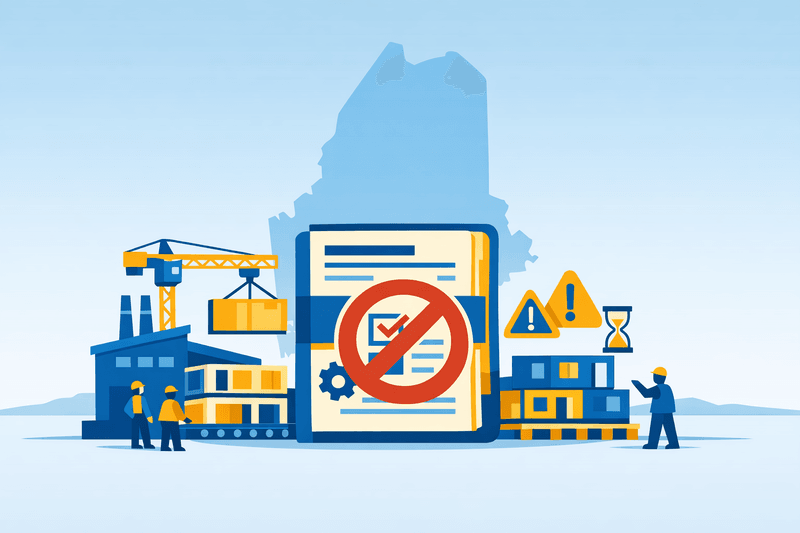
Maine's LD 2229 failure has left ~246 modular housing units in limbo, exposing deep code conflicts that are delaying projects and chilling investment statewide.

Nemetschek acquires HCSS for $2.4B in construction tech's biggest deal of 2026. What it means for interoperability, vendor lock-in, and data standards.

McKinsey and ALICE Technologies partner to bring AI-driven generative scheduling to construction, reporting project schedule reductions of up to 40%.

PCC's new Center for Construction Technology launches BIM, digital twin, and robotics training to address the construction industry's 439,000-worker skills gap.

Maine's failed LD 2229 bill leaves 246 modular housing units in limbo, adds $3,000/module in costs, and exposes regulatory misalignment with neighboring states.
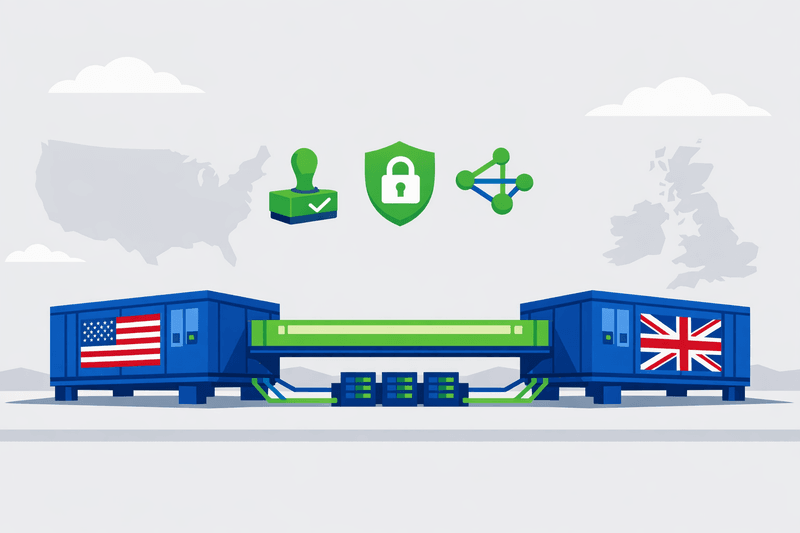
A US-UK modular data center permitting pilot speeds approvals but exposes cybersecurity, standards, and export control gaps that could limit cross-border scale.

Nemetschek acquires HCSS from Thoma Bravo for $2.4B, combining BIM, document, and heavy civil software in a landmark construction tech consolidation deal.

Suffolk's CMAR contract for Cal Poly's $1.2B modular student housing project signals a shift in how universities procure and deliver campus megaprojects.

Nemetschek SE agrees to acquire HCSS for over $2.4 billion, accelerating construction software consolidation and raising questions about interoperability and SME access.

Maine's failure to pass LD 2229 leaves nearly 300 modular housing units in limbo and highlights national code barriers to offsite construction.

A new Bachelor's in Construction Technology launching Fall 2026 targets growing demand for factory-trained, digitally fluent workers in modular and offsite construction.

A new US-EU framework targets 30-40% faster modular data center permitting while tightening cyber governance. Pilot results and practical next steps.

A federal pilot program cut modular data center permitting times by 40% through interagency coordination and streamlined environmental review.

US and EU propose unified cybersecurity and data governance standards for modular data centers to streamline cross-border edge-cloud deployments.

Analysis of Trimble's Document Crunch acquisition and the potential impact of embedded AI contract intelligence on data governance in modular construction.

US and UK launch pilot to align permitting for modular data centers, aiming to reduce approval time, costs, and deployment delays.
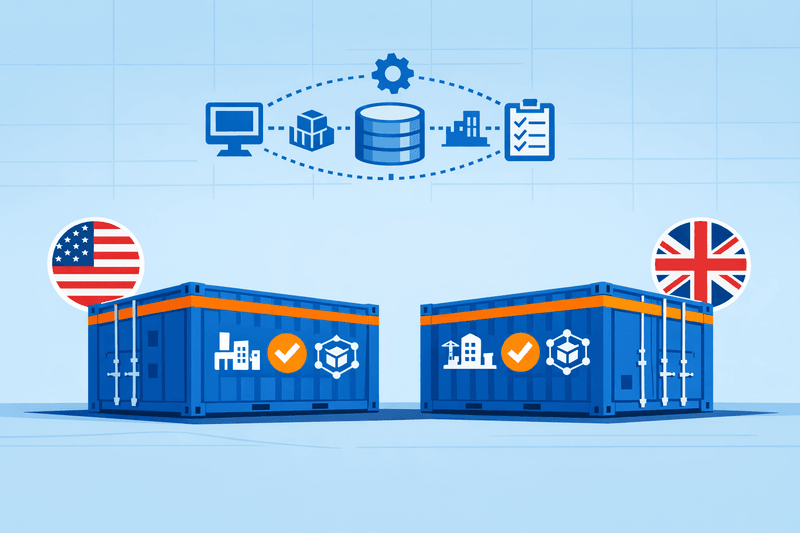
Analysis of a proposed US-UK permitting pilot for modular data centers and its implications for edge-cloud construction and compliance.

Analysis of how AI, robotics, and digital twins are reshaping offsite modular construction ROI, workforce dynamics, and governance in North America.

Analysis of how biowearable sensors are advancing heat safety in construction and energy, with supporting data, regulations, case insights, and implementation steps.

Analysis of new US unified permitting moves and impacts on modular and edge data center deployment timelines.

Analysis of unified US cybersecurity standards' impact on modular construction, covering BIM, digital twin security, and supply chain risk.

Analysis of how new US federal actions and standards are shaping unified permitting guidelines for modular data centers amid rapid edge and cloud infrastructure growth.

US and EU move to standardize modular data center permitting to ease approvals, reduce delays, and support rapid edge-cloud deployment.

Analysis of Trimble's acquisition of Document Crunch and its impact on interoperability, BIM workflows, and data governance in construction software.

Modular dorms modeled on METC deliver rapid, high-quality student housing using 80% off-site construction, showing scale potential amid regulatory, finance hurdles.

EU and U.S. set unified modular disaster-relief housing standards, streamlining certification, energy, and transport rules for cross-border deployment.

Winter inspections found failures in heating, insulation, and security, prompting calls for stronger winter readiness in construction industry.

Modular disaster-relief housing adds winter inspections, energy-saving envelopes, and automation to ensure cold-weather approval in North America and Europe.

Real-time workforce intelligence platforms are boosting productivity and safety on modular construction sites amid ongoing labor shortages.

US government streamlines permitting for modular data centers via executive order to meet rising edge, cloud resilience, and deployment demands.

The EU and U.S. released joint guidance aligning modular data center standards and permitting rules to accelerate deployment and boost efficiency.

US agencies proposed unified cybersecurity and compliance standards for modular construction and digital twin workflows to streamline cross-state requirements.

Federal agencies launched a unified permitting pilot to fast-track modular housing in disaster zones, cutting approval times to weeks across five states.

METC deployed modular dormitory units, built 80-90% off-site, enabling parallel site work and fast occupancy while improving quality control and budgeting.

Army Materiel Command adopts commercial construction practices-design-build, modular, OTAs, and lifecycle costing-to accelerate and de-risk military projects.

US links modular housing funding to climate-resilience standards, affecting design, costs, and deployment of disaster mitigation in new projects.

Canada unveils a national framework to standardize and accelerate modular housing permits, aiming to reduce delays and costs through pilot programs and federal support.

EU unveils harmonized codes and digital permitting for modular disaster-relief housing to accelerate cross-border deployment.

EU pilot enables mutual recognition of modular housing permits, reducing disaster-relief permitting from months to weeks across five member states.

US agencies propose streamlined federal permitting for modular data centers, emphasizing expedited reviews, security standards, and incentives.

Modular data centre builds are rising as interoperability standards and energy-efficiency laws tighten in Germany and the EU.

Federal agencies unveiled a unified permitting framework to accelerate modular data center deployment by standardizing reviews and reducing regulatory duplication.

Analysis of potential impacts from an EU-wide permitting framework for modular disaster housing on construction timelines, safety, and supply chains.

Stricter energy rules and permitting delays are driving demand for modular, off-site data center construction in Europe and the U.S.

Federal funding and permitting pilots are accelerating modular housing deployment in U.S. disaster relief, with Vermont testing streamlined approval systems.

US agencies commit $1.2B to modular housing for disaster recovery, enabling faster delivery via off-site construction with streamlined procurement.

GS Modular showcased modular, flat-pack, and mobile housing at the Canton Fair, advancing its global export strategy with standards-compliant solutions.

EU lawmakers and the Commission push for unified modular construction rules to address a ten-million-unit housing gap amid rising prices and delays.

Luxury developers are using hybrid modular systems, automation, and cost dashboards to deliver high-quality, customized buildings faster, especially in Germany.

ABB Robotics and ADMARES to build robotics-powered modular factory in Queensland, advancing offsite building innovation and job creation.

SANY and Holcim sign a $126 million multi-year deal to develop a digital ecosystem integrating heavy equipment, BIM, sensors, and project management tools.

Global data center investment projected to reach $3 trillion by 2030, driven by modular, AI-ready builds and surging demand for cloud infrastructure.

Global modular construction market to reach US$200.6B by 2033, fueled by labor shortages, efficiencies, policy support, and regional prefab manufacturing.

A global interoperability standard for construction tech enters pilot phase, aiming to unify BIM data exchange and boost industry collaboration.

Wavelogix received a $500K NSF SBIR Phase IIB grant to advance Rebel sensors and digital twin-enabled real-time structural monitoring.

New global standard establishes unified data schema, event messaging, and certification for construction tech; public-sector compliance required next year.

Halliburton launches a fully automated well placement system offshore Guyana, advancing digitalization, safety, and efficiency in deepwater drilling.

U.S. cities including Denver, Aurora, and Eagan enact moratoria and new rules to address data-center noise, power, and siting impacts on communities.

Mississippi breaks ground on a $6.6M Cyber & Technology Center near Keesler AFB, advancing a public-private effort to grow the national cyber workforce.

Palfinger and ICON deploy the Titan 3D printing system in the field, aiming to transform heavy-industry construction with on-site additive manufacturing.

Mississippi breaks ground on a 100,000 sq ft tech center at Keesler AFB, opening 2027, to boost state-federal cybersecurity collaboration.

Integrated platforms like Remarcable streamline specialty contractor workflows by addressing interoperability, procurement, cybersecurity, and governance challenges.

Federal and state grants now link modular housing support to lifecycle cost savings, driving firms to adapt strategies amid evolving policy incentives.

Analysis of when modular construction outperforms traditional methods in housing and infrastructure, with data on cost, time, risk, and regulatory challenges.

Robotics and AI in construction face adoption hurdles from data standard gaps and legacy systems as industry and regulators push for standardization and skills.