Winter inspections have revealed significant weaknesses in heating, insulation, and security systems, underscoring increased strain from severe winter weather on building resilience. Audits during recent cold seasons identified frequent failures in heating maintenance, insulation, and flood and freeze protection. These deficiencies have led insurers and regulators to scrutinize compliance with updated building codes and insurance requirements for both modular and traditional structures.
Background
Winter building inspections are essential for verifying structural integrity, mechanical system reliability, and overall resilience against cold-weather impacts. More frequent freeze-thaw cycles, heavier precipitation, and intense winter storms are exceeding the assumptions of older building codes. Facilities increasingly suffer damage from frozen or burst pipes, compromised building envelopes, and lapses in security at unoccupied sites, which in turn drive insurance claims and regulatory reviews as weather-related risks rise.
Details
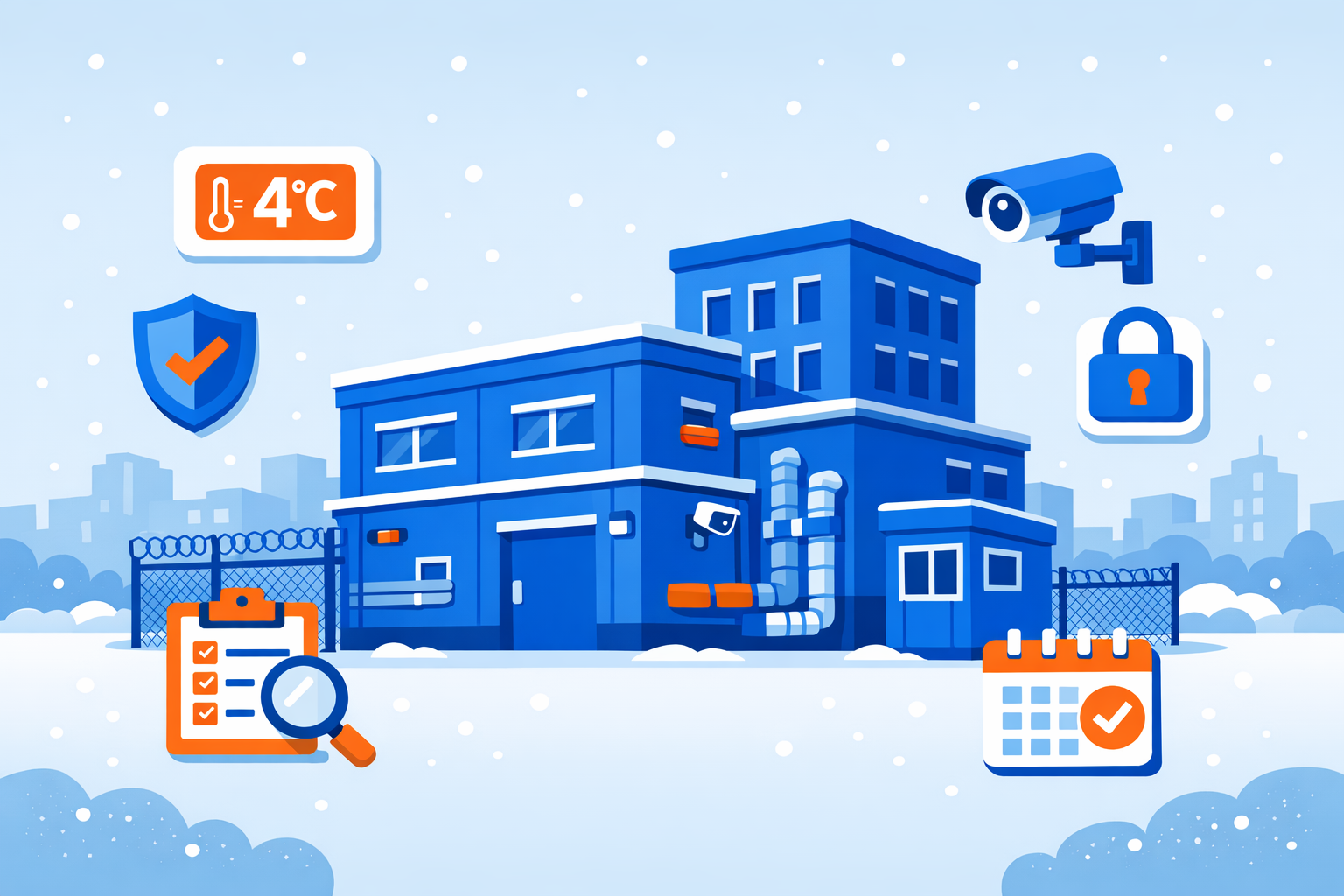
Inspectors noted failures to maintain minimum indoor temperatures. Marsh recommends keeping buildings at or above 4 °C (39 °F) to prevent pipe freezing, particularly in vacant or intermittently used properties. The firm advises thorough documentation of inspection and mitigation measures to support insurance claims.[1] Allianz winterization guidelines require low-temperature monitoring or hourly recorded inspections in unused buildings, and sealing all openings to ensure thermal integrity.[2]
Winter security vulnerabilities were also highlighted. Renovation assessments found that inadequate lighting and infrequent site checks made vacant properties susceptible to theft, vandalism, and safety risks. Insurers mandate inspections at least every seven days, functioning security systems (fences, alarms, CCTV), and detailed records to validate claims.[3]
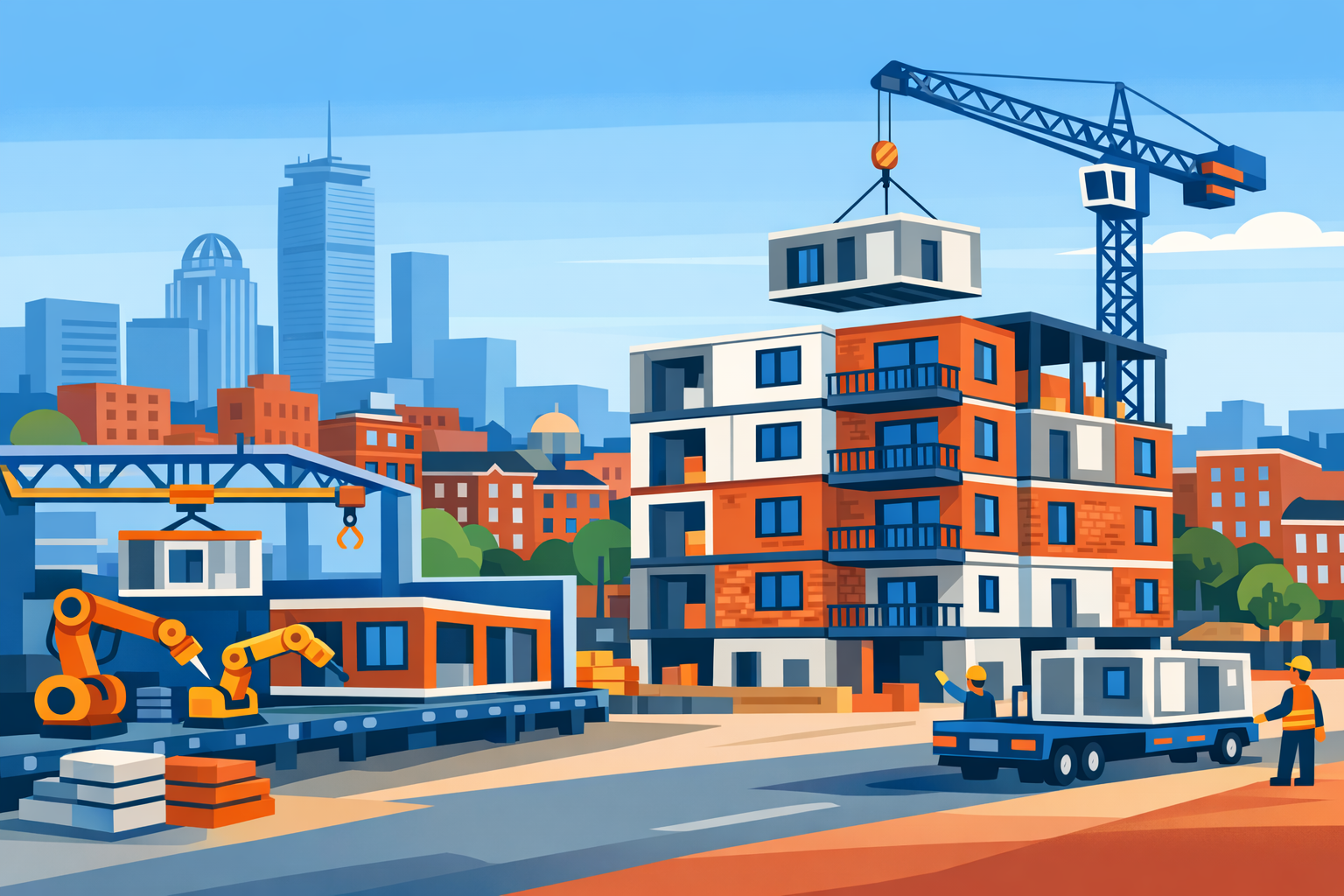
Modular construction demonstrated resilience during winter. A recent case study found that off-site fabrication in controlled environments limited exposure to cold, allowing continued work on sensitive projects. This approach provided consistent thermal performance and tighter building envelopes compared to conventional construction exposed to winter conditions.[4]
Industry data highlight the financial impact of inadequate winter preparation. The Association of British Insurers reports that in 2024, average homeowner claims for burst pipes surpassed £17,000. Commercial property claims involving structural damage, repairs, and project delays are expected to be even higher.[5]
Outlook
With winter weather becoming more unpredictable, facility managers and developers face higher expectations from insurers and regulators for thorough winter inspections, enhanced security monitoring, and resilient construction. Strengthening protocols may help reduce financial and compliance risks in upcoming cold seasons.