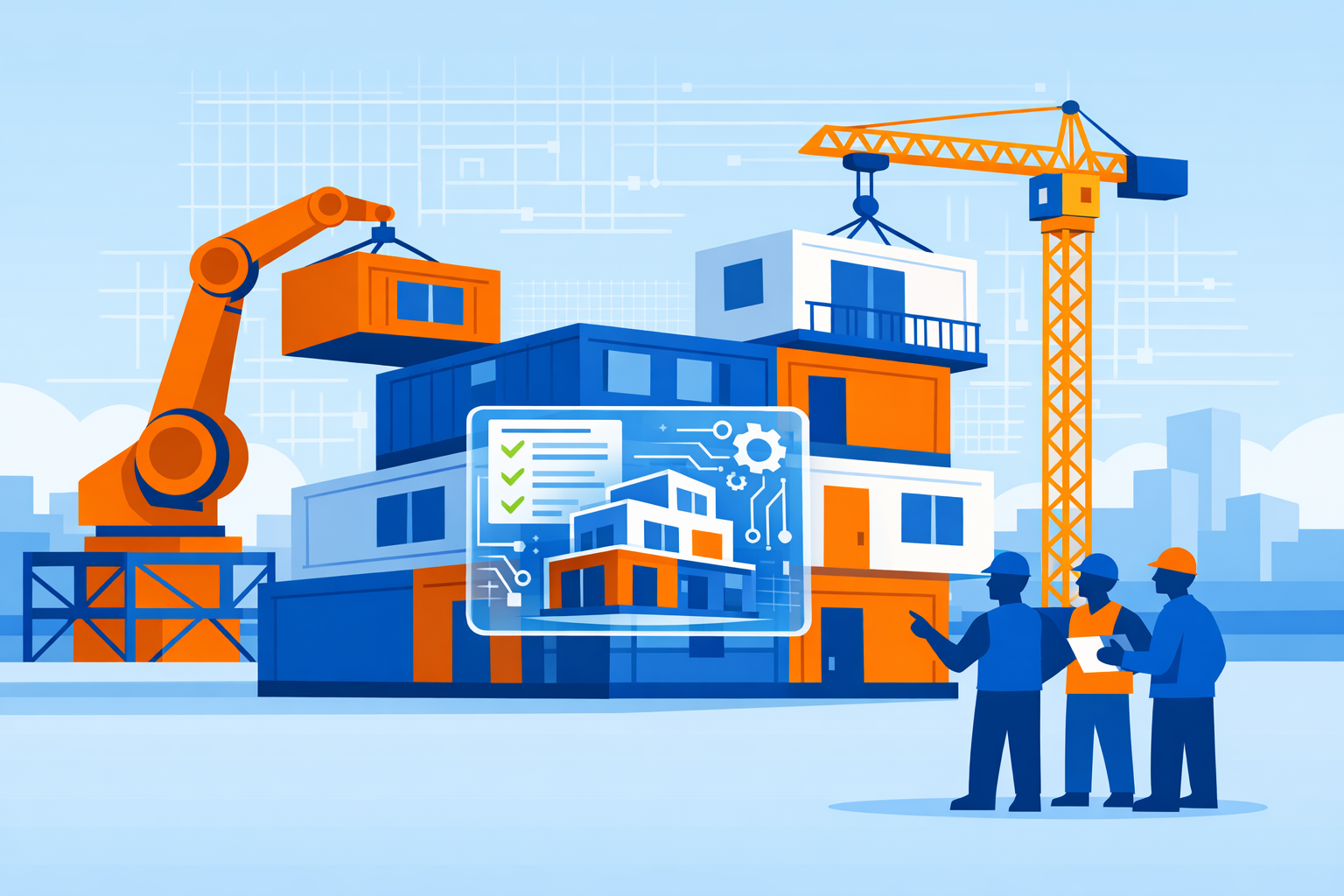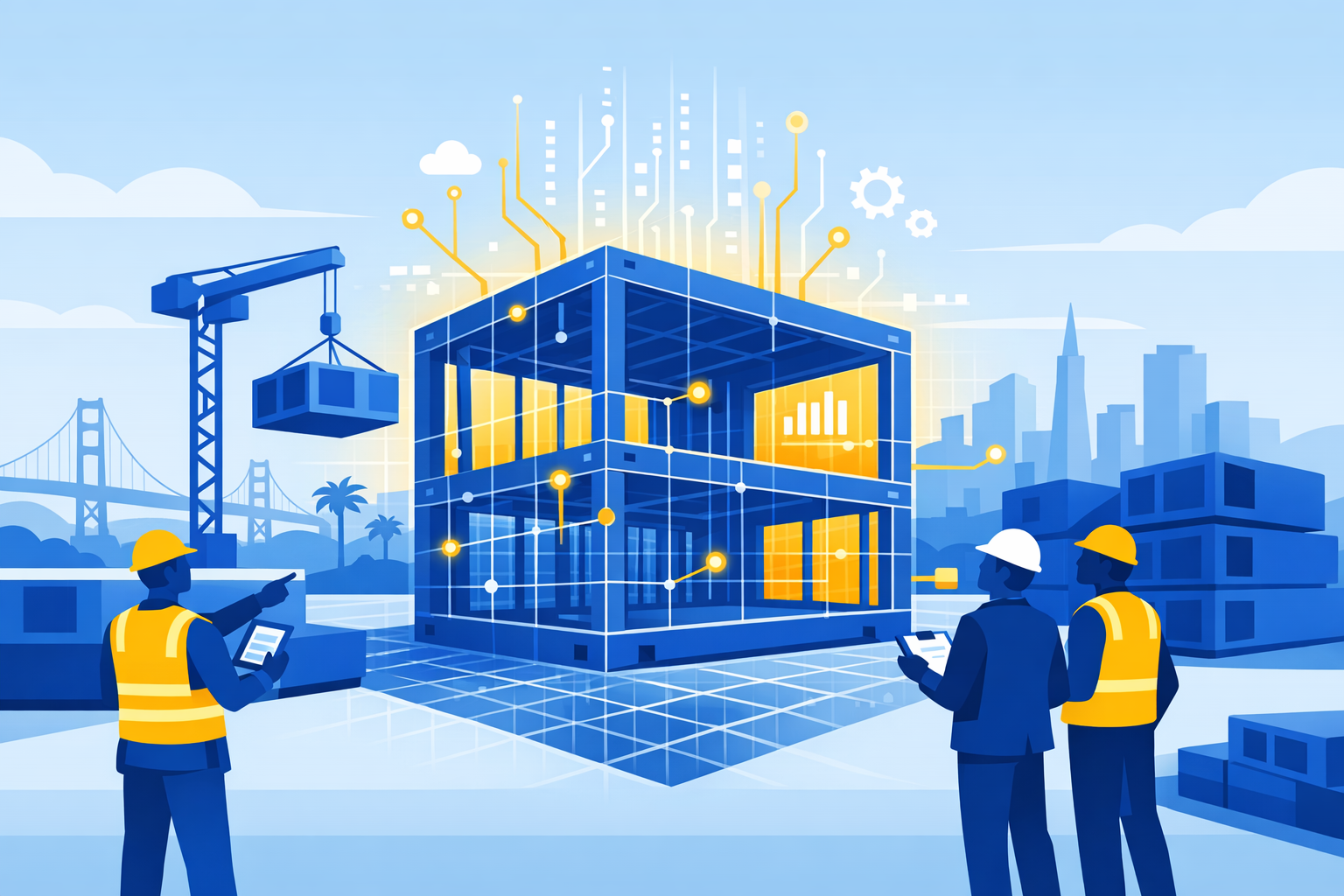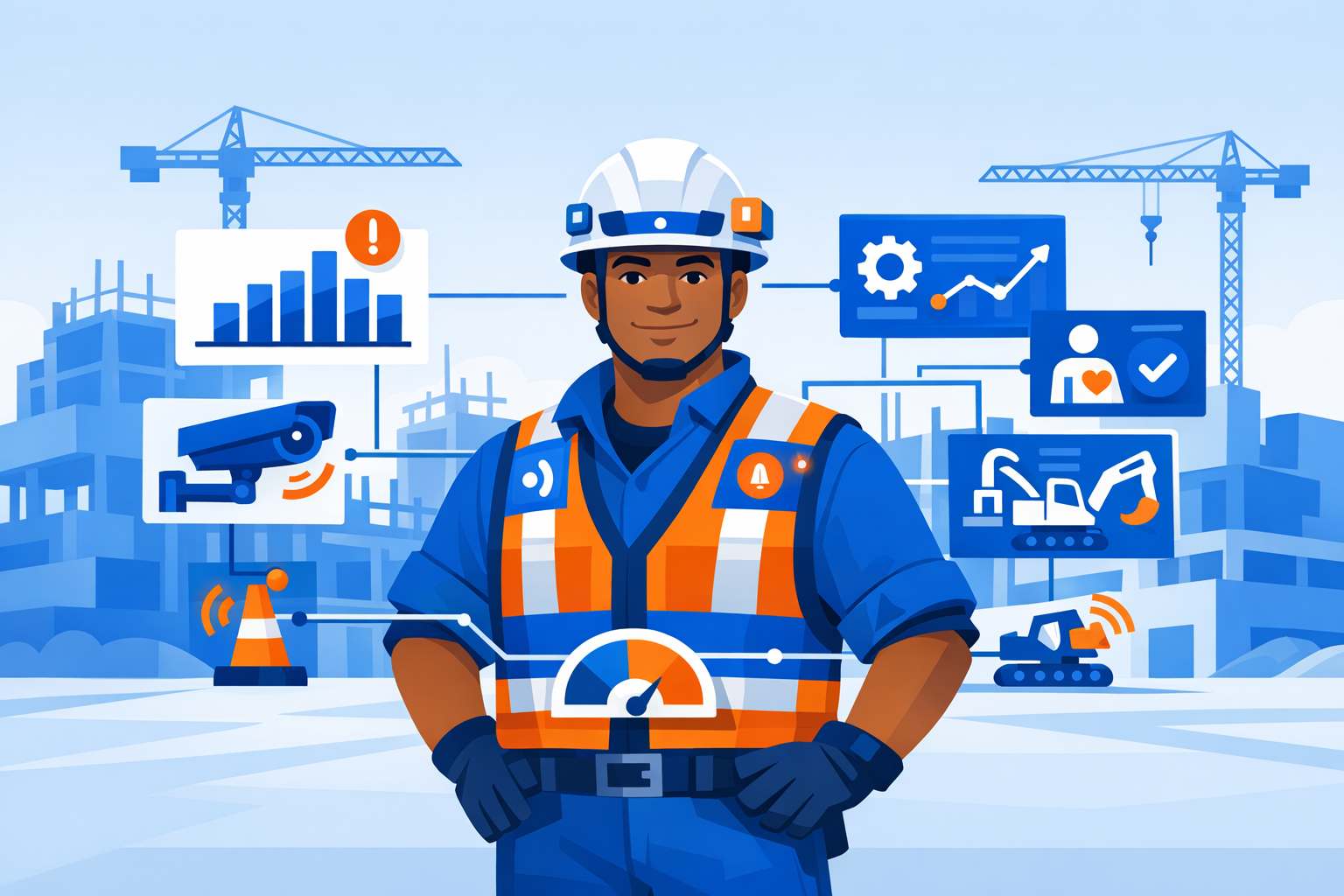
Real-time sensor networks and AI-driven analytics are accelerating a structural shift in how construction firms manage jobsite safety and operational efficiency, as the sector continues to record among the highest workplace fatality rates of any U.S. industry. The transformation is pressing contractors to revisit data governance policies, workforce training, and technology interoperability - simultaneously and at pace.
A Persistent Safety Problem Meets a Proactive Tool
Construction and extraction workers experienced 1,032 fatalities in 2024, according to the Bureau of Labor Statistics Census of Fatal Occupational Injuries, with falls, slips, and trips accounting for 370 of those deaths. Construction accounted for roughly one in five U.S. workplace deaths in 2024, with a fatality rate of 9.2 deaths per 100,000 full-time equivalent workers - nearly three times the national average.
Against that backdrop, AI-powered monitoring systems are being deployed at growing scale. AI tools including computer vision cameras, wearables, and equipment monitoring systems are reducing incidents on active construction sites, with real-time hazard detection and predictive analytics becoming standard on larger projects in 2024-2025, according to industry analysts. The underlying technology draws on computer vision, sensor data analysis, predictive analytics, and pattern recognition applied to site cameras, wearable devices, equipment telematics, and BIM (building information modeling) data.
AI workforce analytics collects data from wearable sensors, computer vision systems, and project management software to deliver a continuous, real-time view of worker movements, behaviors, and environmental conditions. When processed through AI algorithms, that data can identify patterns invisible to human supervisors - such as a crew consistently working in high-risk zones without fall protection, or fatigue accumulating during specific shift periods.
From Reactive to Predictive: What the Data Shows
Some construction firms have reported incident reductions of up to 40-50% after shifting to AI-enabled, proactive safety models, according to industry reporting. Autonomous robotic systems are contributing to those gains at the task level: a 2025 Chinese study found that autonomous construction robotics reduce repetitive labor by up to 90% and cut exposure to hazardous work by 72%.
On the scheduling and productivity side, AI-integrated project management platforms are generating measurable improvements. Certain AI-enabled construction scheduling tools have been reported to reduce project delays by up to 50% for large contractors managing complex workflows. Edge computing architectures are enabling sub-200-millisecond sensor response times on active sites, supporting use cases from crane torque monitoring to real-time cross-site risk analysis.
Existing posts on this site have examined adjacent developments - including workforce analytics in modular construction and data standards barriers facing construction robotics and AI - but the convergence of dense sensor networks with enterprise AI analytics on conventional jobsites represents a newer and distinct operational challenge.
Regulatory Pressure and Data Governance Imperatives
The rapid expansion of AI-powered worker monitoring is drawing regulatory scrutiny that construction firms cannot afford to treat as a future concern. AI-powered safety monitoring systems generate substantial personal data about workers, requiring careful compliance with GDPR and emerging AI-specific regulations around transparency and human oversight, according to legal analysts at Browne Jacobson.
The EU AI Act becomes generally applicable on August 2, 2026, at which point high-risk AI system obligations take effect; construction firms operating in or supplying the EU market must assess whether their safety monitoring or worker-tracking tools fall within the high-risk category. In the United States, US states passed 131 AI-related laws in 2024 - more than double the prior year's volume - adding a fragmented compliance layer for multistate contractors.
Privacy frameworks also govern how collected data is used internally. Platforms with demonstrated adoption cite practices including data anonymization, encryption, aggregated dashboards for management, and informed consent procedures at worker onboarding - features that are becoming baseline requirements rather than differentiators. Organizations are advised to document data provenance, limit collection to lawful and necessary data, and maintain tamper-proof audit trails to satisfy both current and anticipated regulatory standards.
Interoperability and Training Remain the Adoption Bottlenecks
Technology integration on active sites faces a familiar constraint: existing systems often cannot communicate with new AI platforms without custom work. Firms adopting modular sensor architectures - which allow new sensor types to be added without replacing core hardware - report lower upgrade costs. At Wuhan Metro Line 19, methane detection modules were integrated in 45 minutes using an edge gateway with hot-swappable components, cutting upgrade costs by 63% versus traditional methods, according to a 2025 study published in ACM conference proceedings.
Workforce training is the other persistent friction point. Industry practitioners indicate that field crew orientation for AI monitoring systems typically requires one to two hours, with supervisory training running a half-day, though ongoing digital literacy development is needed as platforms expand in capability.
Outlook
The EU's high-risk AI system compliance guidelines, expected by the European Commission in early 2026, will provide the clearest regulatory signal yet for construction firms deploying worker-monitoring AI. In the near term, firms that have not yet established formal data governance frameworks - defining what sensor data is collected, how it is stored, who can access it, and how long it is retained - face compounding risk as both the regulatory environment and the volume of jobsite data streams continue to expand.