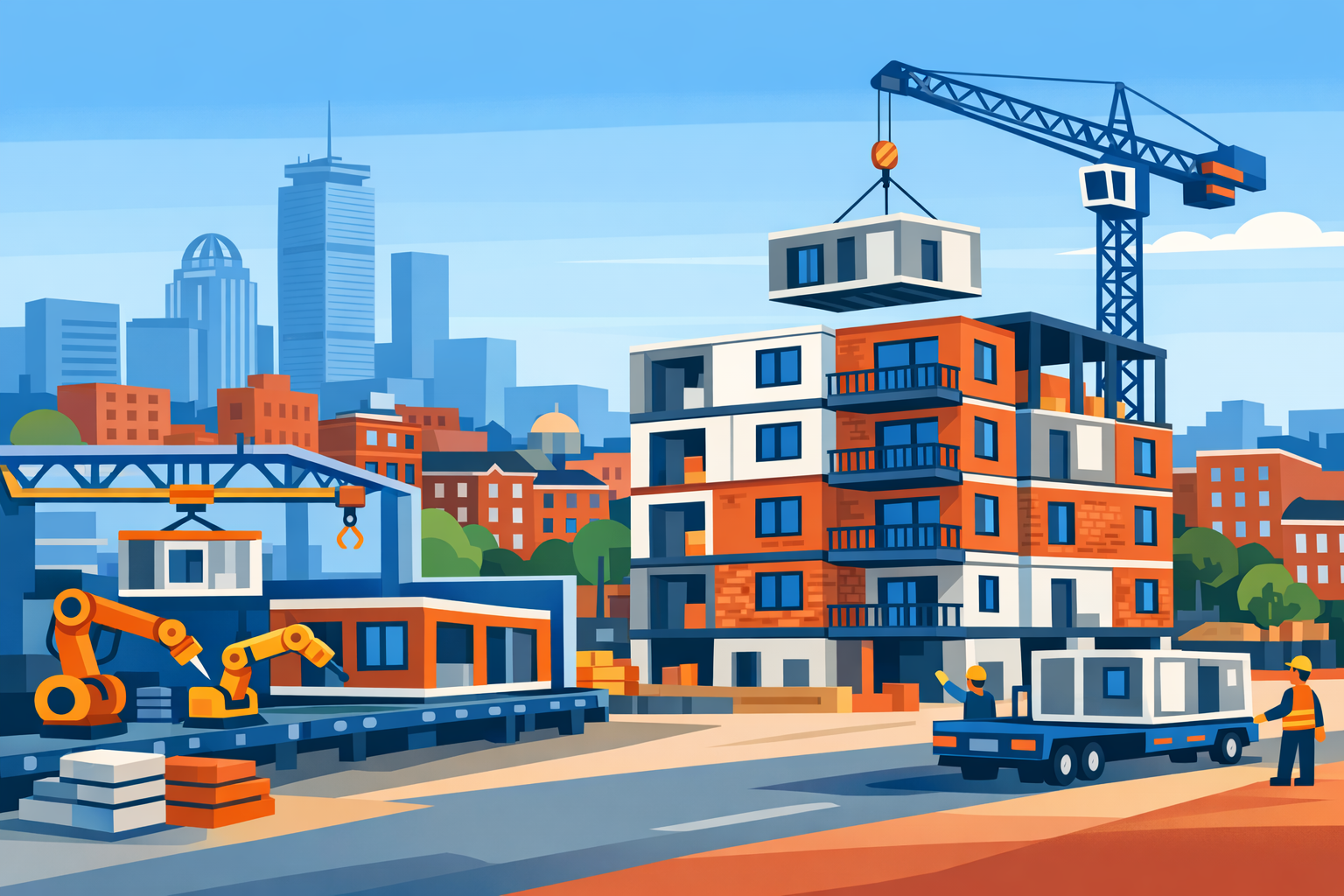
The European Commission has proposed harmonizing building codes and permitting processes for modular disaster-relief housing across EU member states. Released in March 2026, the framework aims to standardize performance criteria and testing protocols, while introducing a unified digital permitting portal to expedite housing deployment during emergencies.
Background
Currently, EU countries enforce varying national codes and approval procedures for modular housing, leading to deployment delays in disaster situations. Industry stakeholders have consistently advocated for unified standards to streamline cross-border operations and enhance supply chain reliability. The Affordable Housing Plan, adopted in December 2025, supports offsite and modular construction to increase resource efficiency and lower costs under the "Boosting housing supply" pillar. The new harmonization initiative directly addresses regulatory fragmentation[1].
Details
The Commission's proposal consists of three main components:
- Unified performance criteria for structural integrity, fire safety, and thermal performance, applicable in all member states
- Standardized testing protocols to prevent duplicate national assessments of modular units
- A centralized digital permitting portal, enabling manufacturers and agencies to submit documentation once for recognition across jurisdictions
Industry response is mixed. Market research points to projected growth in modular and prefabricated construction, driven by regulatory harmonization and faster permitting[2]. However, CEI-Bois, representing the timber sector, cautions that current transport limits on module size remain a barrier to the Single Market and urges alignment of these rules alongside technical codes[3].
Outlook
Negotiations are set to begin in the second quarter of 2026, with adoption anticipated by mid-2027. Once implemented, the digital portal and unified standards are expected to significantly reduce permitting times and improve cross-border deployment of modular housing in emergencies. Nonetheless, industry challenges include retrofitting existing modular units, updating legacy factory processes, and securing financial support for necessary adaptations.