Governor Evers vetoes delay bill; Wisconsin's 2021 IBC-based commercial code is now in force
Governor Evers vetoed AB 450 in December 2025, ending a legislative push to delay Wisconsin's 2021 IBC-based commercial building code. Plans submitted from 1 November 2025 must comply.
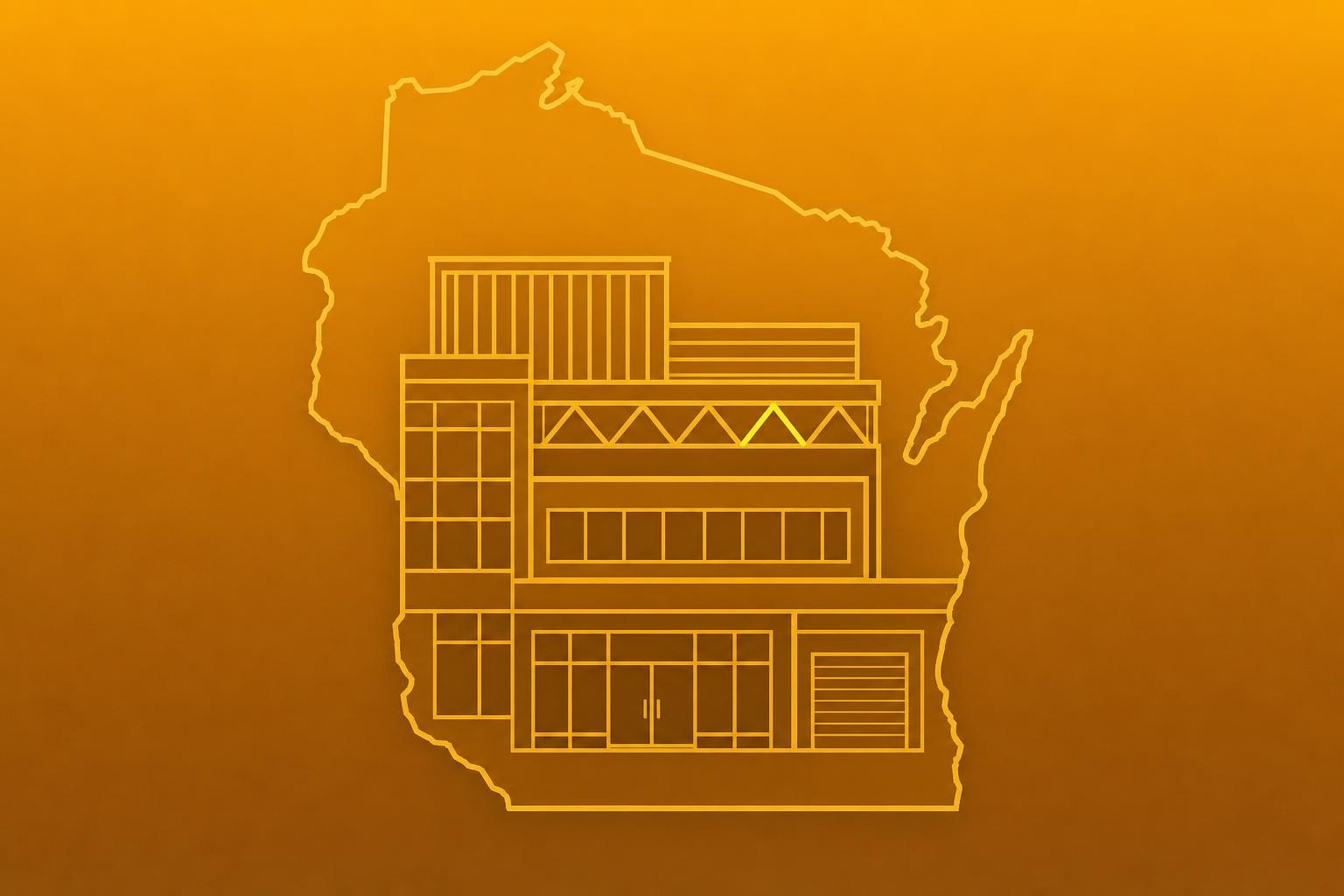
Wisconsin's updated commercial building code - based on the 2021 International Building Code with state-specific amendments - is now in force at the state level. Governor Tony Evers vetoed Assembly Bill 450 in early December 2025, rejecting a bipartisan legislative effort to push the compliance deadline to 1 April 2026. Per the Wisconsin Department of Safety and Professional Services (DSPS), plans submitted on 1 November 2025 or after must comply with the updated Commercial Building Code. Plans examined before that date may proceed under the superseded 2015 IBC standards.
Background: a decade-long update, finally enforced
DSPS worked for more than four years to adopt the 2021 IBC and 2021 International Energy Conservation Code, but the process was repeatedly blocked by the Joint Committee for Review of Administrative Rules, which had authority to indefinitely suspend rulemaking. That changed on 8 July 2025, when the Wisconsin Supreme Court's 5-4 ruling in Evers v. Marklein invalidated the committee's power to block administrative rules indefinitely.
Following that ruling, DSPS moved to implement the new Commercial Building Code, which brings Wisconsin to 2021 IBC standards with Wisconsin-specific adjustments. DSPS delayed enforcement twice - first from 1 September to 1 October, and then from 1 October to 1 November - citing feedback from the building industry.
What AB 450 sought to do - and why Evers refused
Assembly Bill 450, passed by the Assembly on 7 October 2025, would have pushed implementation of the new code to 1 April 2026. The legislation passed both the Assembly and Senate with bipartisan support.
Governor Evers vetoed AB 450, halting the effort to postpone enforcement of the state's updated commercial building codes, which sought to delay standards based on the 2021 IBC until spring 2026. In his veto message, Evers said he objected to "further unnecessary delay in implementing new building standards that will benefit Wisconsin communities", adding that the bill "would not only create confusion for developers with current building projects under review" and that DSPS "has and will continue to work with building professionals throughout the state to ensure proper understanding and compliance."
The Apartment Association of South Central Wisconsin, the Associated Builders and Contractors of Wisconsin, and NAIOP Wisconsin had registered in support of the bill; the city of Milwaukee, Clean Wisconsin, and Wisconsin Conservation Voters registered against it. After a review by the city of Milwaukee Department of Neighborhood Services, the city determined further delay of the 2021 IBC "does not support the health, safety and welfare of our community."
What the 2021 IBC update requires
The adopted code is codified under Wisconsin Administrative Code Chapter SPS 361 (administration and enforcement) and incorporates the 2021 IBC, 2021 IECC, 2021 International Mechanical Code, 2021 International Fuel Gas Code, and 2021 International Existing Building Code with Wisconsin amendments. The requirements apply to commercial buildings, including multifamily and residential structures.
Key substantive changes from the superseded 2015 IBC include:
- Building envelope: higher R-values, continuous insulation requirements, and air leakage testing
- Mechanical systems: enhanced HVAC efficiency aligned with ASHRAE 90.1-2019 and demand-control ventilation
- Lighting: lower lighting power density limits and expanded use of automatic lighting controls
- EV and solar readiness: conduit and electrical panel space to support future EV charging and solar installations
- Fuel gas venting: under SPS 365.0501(4), all fuel-fired equipment must be provided with plastic venting materials meeting UL 1738
Wisconsin last updated its statewide commercial code in 2015, making the 2021 IBC adoption a ten-year generational shift in standards.
Plans submitted to DSPS or a municipality on or after 1 November 2025 must comply with the 2021 IBC-based Wisconsin Commercial Building Code. Plans examined before that date may continue under the 2015 IBC. Where a DSPS-written rule conflicts with an IBC provision, the Wisconsin rule controls. Determinations on specific plan submissions belong to the authority having jurisdiction — nothing here constitutes legal or compliance advice.
Who is affected
The updated code binds any project requiring plan examination by DSPS or a municipality for a public building, public structure, or place of employment. Trades directly affected include:
- Architects and engineers of record preparing commercial and multifamily plans
- Mechanical, electrical, and plumbing contractors specifying systems under the 2021 IECC and 2021 IMC
- Building inspectors and code officials administering SPS 361
- Contractors on projects where plans were submitted on or after 1 November 2025
For demonstrating compliance with commercial building envelope and general lighting requirements, DSPS has approved COMcheck software; within COMcheck, users must select the "2021 IECC" code option unless IECC section C401.2.2 applies, in which case "90.1 (2019) Standard" must be selected.
The veto closes the legislative path to a further delay in this session. The Evers v. Marklein ruling also clears the way for future code updates, including the electrical code and the Uniform Dwelling Code. Practitioners should watch for DSPS guidance on those instruments and for any further Wisconsin-specific amendments filed through the standard rulemaking process under SPS 361.
Written by Construction Trade News's automated desk from the sources above and reviewed before publication. How we work.
Related
CASE adds three D Series 3-ton mini excavators with zero tailswing and load-sensing hydraulics
CASE Construction Equipment launched the CX30D, CX34D and CX38D on 17 June 2026, filling the 3-ton class with zero-tailswing machines powered by a 24.4 hp Kubota engine.
10 Sept 2026 News
NewsSimplar Foundation study finds multiskilled U.S. construction crews cut idle time by 68% and post safety rates 57% below industry average
A first-ever national field study on multiskilling in U.S. construction finds a 39% jump in productive crew time and a total recordable incident rate 57% below the industry benchmark.
10 Sept 2026 Codes
CodesOakland adopts 2025 California Building Standards Code with FlexPath and Electric Readiness amendments, effective 1 January 2026
Oakland's 2025 Title 24 adoption - with FlexPath and Electric Readiness reach codes - took effect 1 January 2026, and AB 130 locks in residential standards until 1 June 2031.
10 Sept 2026