IPAF's 2026 Global Safety Report names electrocutions the leading cause of MEWP fatalities in 2025, with 20 deaths across 28 incidents
IPAF's Global Safety Report 2026 found electrocutions and electric shocks caused more MEWP fatalities than any other hazard in 2025, with 20 deaths from 28 incidents - 71% in the U.S.
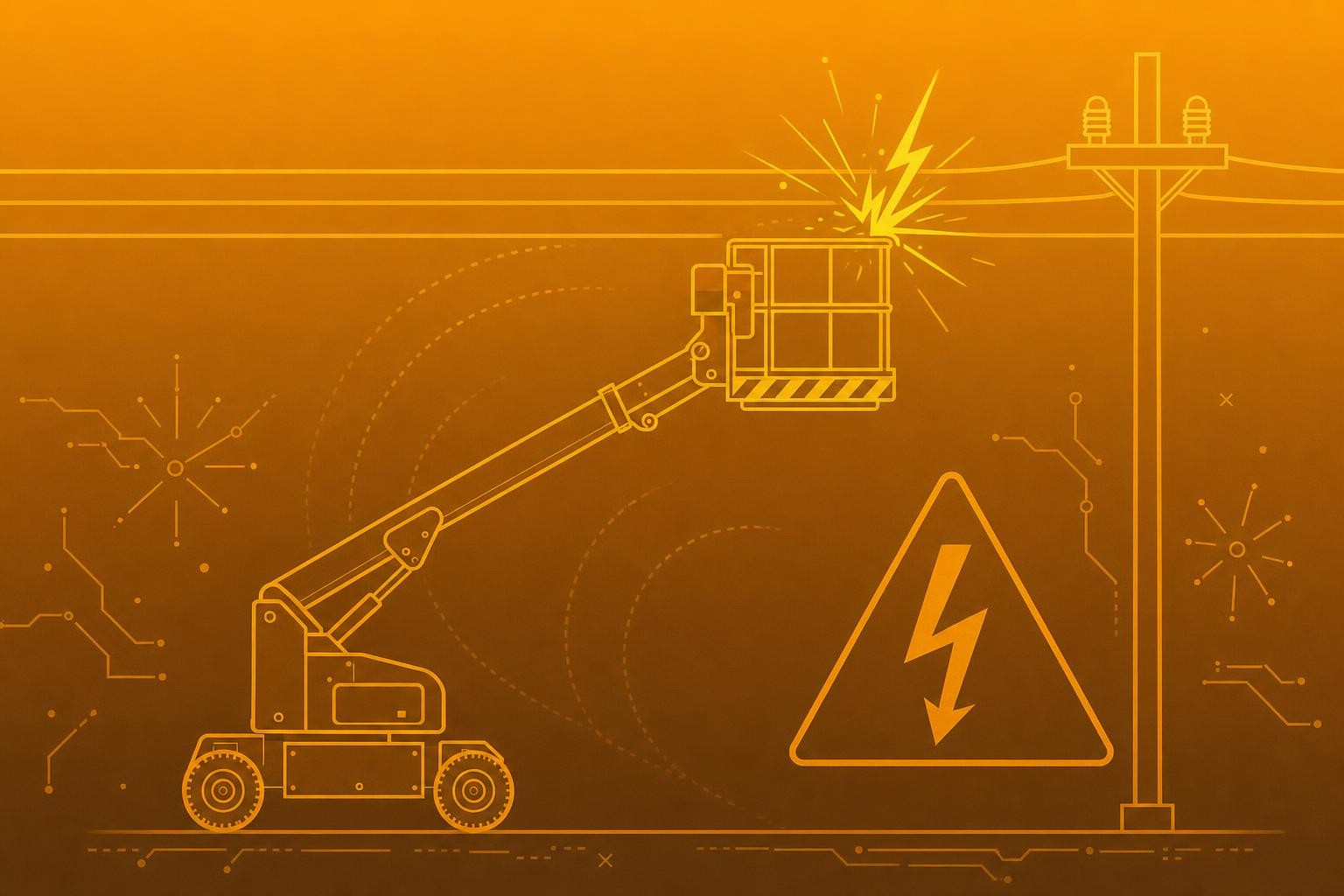
Electrocutions and electric shocks were the leading cause of fatal and major incidents involving powered access equipment in 2025, according to the IPAF Global Safety Report 2026, launched during a live webinar on 2 September 2026[1]. IPAF recorded 28 electrocution and electric shock reports from six countries, resulting in 20 fatalities[1] - more deaths than any other single incident category in the dataset.
Overall incident picture
Total fatal and major incidents fell 15% year over year in 2025, with 170 reports compared to 201 in 2024. Fatalities dropped to 76, down from 100 in 2024 - a 24% decrease. A total of 192 people were involved across all incident types, 9% fewer than the prior year, and reports came in from 25 countries. The report covers MEWPs, Mast Climbing Work Platforms (MCWPs), and Construction Hoists, and records fatal and major incidents only.
"A 24% reduction in fatalities is encouraging and demonstrates that sustained industry focus can make a real difference, but we cannot allow this progress to lead to complacency," said Brian Parker, head of safety and technical at IPAF. "Every reported incident provides valuable learning, and the data highlights where our attention must remain firmly fixed - particularly around electrocutions, falls from the platform, overturns, and the emerging increase in incidents involving MCWPs and Construction Hoists."[1]
Where electrocution incidents are concentrated
Seventy-one percent of the 28 electrocution and electric shock reports came from the United States[1]. Construction sites accounted for the largest share of incidents at 37%, followed by arboriculture and rental activity, each at 13%[1].
In terms of machine type, 3b self-propelled boom lifts were involved in 26% of electrocution incidents, and 3a machines - scissor lifts and vertical personnel platforms - in 25%[1]. The IPAF data also shows that vehicle-mounted (1b) platforms accounted for the highest share of electrocution incidents at 42.4%, followed by mobile booms (3b) at 24.2%.
The underlying pattern is consistent across reported cases: electrical hazards are either not fully recognised during planning, are poorly communicated at the point of work, or are insufficiently controlled once work begins. Contact with, or arcing from, overhead power lines is the primary mechanism - and arcing can occur without direct contact if a MEWP approaches within 3 metres (10 feet) of an energised line.
Falls and overturns: mixed signals
Falls from the platform and overturns were the second and third most frequently reported causes of fatal and major incidents[1]. Falls showed a 14% increase in reports year over year, though fatalities from falls fell 24%[1]. Overturns moved in the opposite direction: reports dropped 58% and fatalities fell 53%[1]. Entrapment incidents also declined sharply, with a 68% reduction in reports and a 63% decrease in fatalities[1].
MCWP and Construction Hoist incidents remain low in volume but IPAF recorded 10 reports in 2025 with 9 fatalities - a 125% increase on 2024.
The 2026 report examines data spanning 2016 to 2025 and is the third digital edition of the series. IPAF has flagged the need for broader near-miss reporting across the industry; the current dataset captures only fatal and major incidents, which limits visibility into the full risk picture. With electrocution fatality rates remaining disproportionately high relative to incident volume, and MCWP and hoist fatalities rising sharply, those two categories will be the ones to watch as 2026 data accumulates.
Written by Construction Trade News's automated desk from the sources above and reviewed before publication. How we work.
Related
Kleemann's MOBIREX MR 100 NEOe electric impact crusher makes its market première at Asphaltica 2026
Kleemann unveiled the MOBIREX MR 100 NEOe at Asphaltica 2026 in Bologna - a fully electric compact impact crusher with 160 kW crushing power and up to 250 t/h feed capacity.
15 Oct 2026 News
NewsIcon closes $200M Series D to manufacture its Titan robotic printer in Austin
Austin-based Icon raised $200M in Series D funding to manufacture its Titan multi-story 3D-printing system and open a new R&D facility in Texas.
15 Oct 2026 News
NewsArcosa stockholders approve CRH's $8.5bn all-cash takeover, clearing the way for a Q1 2027 close
Arcosa stockholders voted on 4 September 2026 to approve CRH's $8.5bn all-cash acquisition of the Dallas-based aggregates and infrastructure products group, with closing now subject to regulatory clearance.
15 Oct 2026