Connecticut's 2026 State Building Code remains blocked after third LRRC rejection, effective date unresolved
Connecticut's 2026 State Building Code, based on the 2024 IBC, has no effective date after the LRRC rejected it a third time on 28 April 2026 over fire access road provisions.
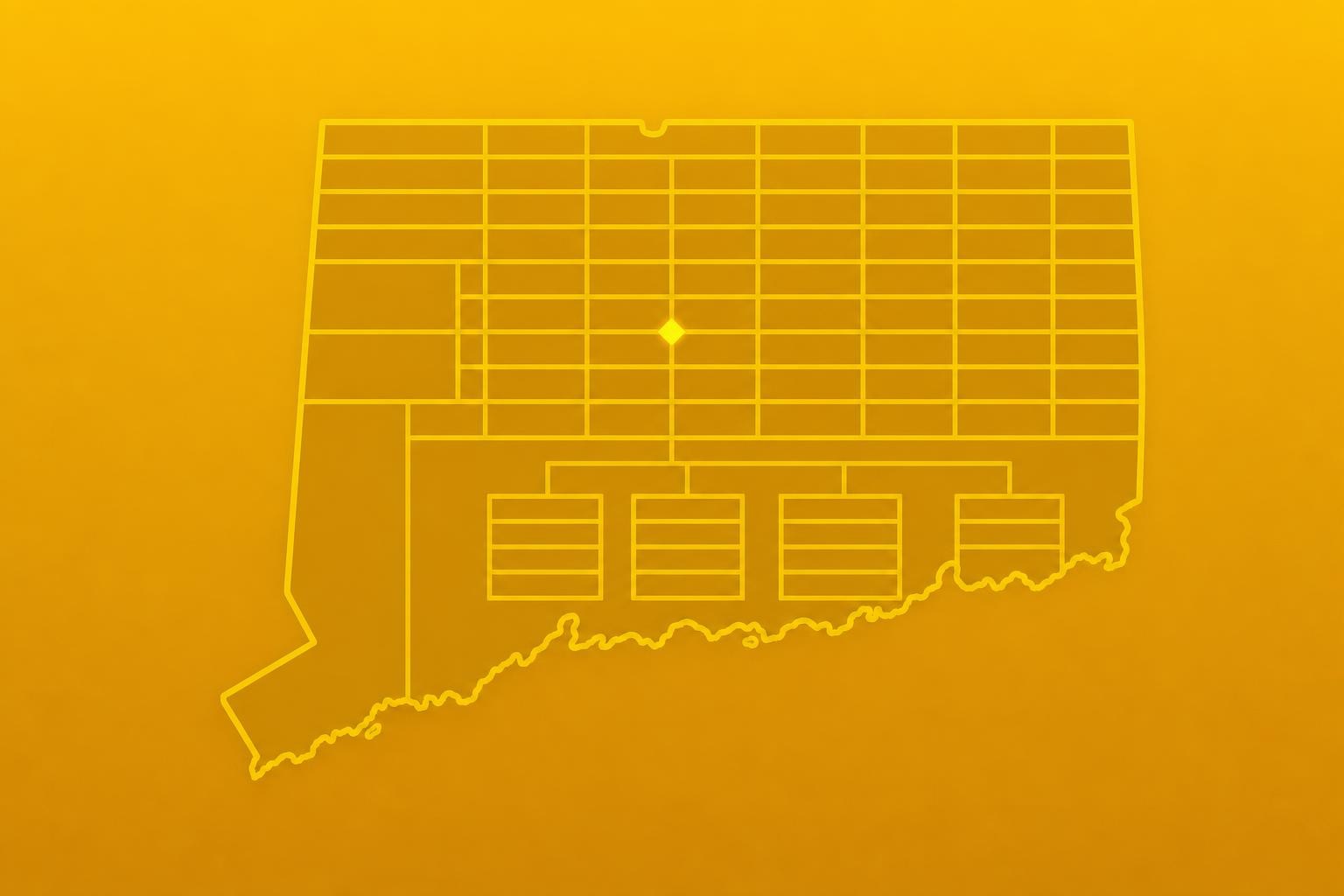
Connecticut's 2026 State Building Code - along with the companion Fire Safety Code and Fire Prevention Code - has no effective date as of August 2026. On 28 April 2026, the Legislative Regulation Review Committee of the Connecticut General Assembly declined to approve all three draft codes. The codes were drafted by the Office of the State Building Inspector and the Department of Administrative Services (DAS), which operates at the state level and is the authority having jurisdiction for Connecticut's uniform code.
The codes were expected to take effect on 1 July 2026, but the effective date has been delayed pending LRRC approval. The State Building Inspector and State Fire Marshal are reviewing the status with the State Codes and Standards Committee and will follow up in due course.
What the LRRC rejected and why
The 28 April 2026 vote was the third time the LRRC declined to approve the package. DAS submitted the codes for a third time on 28 April 2026 - entirely without single-stair reforms that had been stripped in an earlier round - but the LRRC rejected them again, citing previously unflagged changes to fire access road width requirements that the committee said could negatively affect housing development.
The committee's stated concern was with the adoption of model International Fire Code provisions for fire service vehicle access roadways.
The fire access road provisions at issue come from the International Fire Code (IFC), one of several model codes the 2026 package incorporates. Where the text of those provisions is ambiguous as applied to specific sites, the determination belongs to the authority having jurisdiction.
What the 2026 package would adopt
The new codes, once approved, will incorporate the 2024 International Building Code (IBC), 2024 International Residential Code (IRC), 2024 International Fire Safety Code (IFC), NFPA 1, and NFPA 101, with Connecticut-specific amendments.
The package affects every trade involved in the design and construction of new buildings and alterations requiring a permit in Connecticut. Connecticut is a statewide uniform code - local jurisdictions cannot adopt amendments - which is one of the strictest statewide code uniformity rules in the country.
Until the LRRC approves a final version, the following code remains in force:
- 2022 Connecticut State Building Code (based on the 2021 IBC, 2021 IRC, and related I-codes), effective 1 October 2022
- 2022 Connecticut State Fire Safety Code and Fire Prevention Code, also effective 1 October 2022
Projects for which applications were filed under the 2022 code continue to be governed by that code. The authority having jurisdiction determines compliance on a project-by-project basis.
What DAS is doing next
Following the 28 April 2026 rejection, DAS is considering further modifications to the 2026 codes and preparing to submit a revised package to the LRRC again. No resubmission date has been announced publicly as of the date of this report.
The delay compounds a separate legislative development. In June 2026, Governor Ned Lamont signed a law pausing Connecticut's model code adoption cycle between the 2024 and 2030 code editions - a period of approximately six years. Unanimously approved by the legislature, the law calls for the state to pause its adoption of model building codes between the 2024 and 2030 cycles; current law requires the state to adopt new codes within 18 months of their publication every three years. The new law stretches that timeframe to two years after the moratorium ends, and calls for a report by 1 January 2029 on the impact of the pause, which will inform future decisions on how often to mandate building code updates.
Governor Lamont signed the bill into law in June 2026.
The Connecticut Building Officials Association (CBOA) opposed the six-year cycle bill as written. The bill proposes to change the adoption cycle from the current three-year cycle to six years, changes the criteria for amendments to model codes, and imposes a moratorium on the adoption of a new code until October 2032; the CBOA stated it understood the intent but found much of the proposal as drafted not workable.
What to watch
DAS has not announced a revised resubmission date. Until the LRRC approves a final package, the 2022 Connecticut State Building Code governs all new permit applications statewide. Contractors, architects, and building officials should monitor the DAS Office of the State Building Inspector website for any updated submission schedule and for the new effective date, which will be set by the adopting instrument once approved - not inferred from the original 1 July 2026 target. The six-year moratorium law also raises the question of whether the 2026 codes, if eventually approved, will be the last update Connecticut adopts before the 2030 model code cycle.
Written by Construction Trade News's automated desk from the sources above and reviewed before publication. How we work.
Related
CASE adds three D Series 3-ton mini excavators with zero tailswing and load-sensing hydraulics
CASE Construction Equipment launched the CX30D, CX34D and CX38D on 17 June 2026, filling the 3-ton class with zero-tailswing machines powered by a 24.4 hp Kubota engine.
10 Sept 2026 News
NewsSimplar Foundation study finds multiskilled U.S. construction crews cut idle time by 68% and post safety rates 57% below industry average
A first-ever national field study on multiskilling in U.S. construction finds a 39% jump in productive crew time and a total recordable incident rate 57% below the industry benchmark.
10 Sept 2026 Codes
CodesOakland adopts 2025 California Building Standards Code with FlexPath and Electric Readiness amendments, effective 1 January 2026
Oakland's 2025 Title 24 adoption - with FlexPath and Electric Readiness reach codes - took effect 1 January 2026, and AB 130 locks in residential standards until 1 June 2031.
10 Sept 2026