California's 2025 Title 24 took effect 1 January 2026, introducing a standalone wildfire code and locking residential standards until 2031
California's 2025 Building Standards Code (Title 24) became mandatory on 1 January 2026, creating a new standalone wildfire code and freezing residential standards through 2031 under AB 130.

California's 2025 Building Standards Code - codified as Title 24 of the California Code of Regulations - became mandatory statewide on 1 January 2026, binding all permit applications submitted on or after that date. The update is a state-level action administered by the California Building Standards Commission and applies to every construction trade working on residential, commercial, and industrial projects across the state.
A new standalone wildfire code
The most structurally significant amendment in this cycle was the creation of the California Wildland-Urban Interface Code (CWUIC), now codified as Title 24, Part 7. For nearly two decades, wildfire-resistant construction requirements were scattered across three separate instruments: California Building Code Chapter 7A, California Residential Code Section R337, and California Fire Code Chapter 49. The 2025 edition consolidated all three into a single standalone code based on the International Wildland-Urban Interface Code, with California-specific amendments.
The CWUIC applies to new buildings located in mapped Fire Hazard Severity Zones and designated WUI fire areas. Key requirements under Part 7 include:
- Ignition-resistant and ember-resistant construction for exterior walls, siding, and decks
- Ember-resistant vents meeting Office of the State Fire Marshal listings
- Class A roof assemblies with assembly-level certifications
- Dedicated compliance documentation sections in plan submittals, including manufacturer certifications for roofing, vents, decking, and exterior wall assemblies
Plan submittals for WUI projects now require a dedicated compliance section with OSFM listings and assembly details, rather than scattered references across multiple code books. The authority having jurisdiction determines whether a specific parcel falls within an applicable fire hazard zone.
Energy code and other substantive changes
Part 6 (California Energy Code) pushed electrification further without an outright gas ban. Heat pumps became the prescriptive baseline for most new construction, and commercial building replacements of HVAC equipment must generally be electric or ultra-high-efficiency. The 2025 Energy Code also introduced new EV infrastructure counts for parking facilities and updated solar-plus-storage requirements.
Part 2 (California Building Code) introduced new hazard classifications: facilities that manufacture or store lithium-ion batteries are now classified as moderate- or high-hazard occupancies under the CBC, requiring sprinklers and special fire protection measures. Part 9 (California Fire Code) similarly defined battery energy storage systems (BESS) as H-occupancy hazards requiring sprinklers, ventilation, and emergency shutoff.
Permit timing and the AB 130 freeze
Projects with building permit applications submitted before 1 January 2026 are reviewed under the 2022 code cycle. Applications submitted on or after that date must comply with the 2025 edition in full.
Assembly Bill 130, signed 30 June 2025, imposed a freeze on new residential building standards from 1 October 2025 through 1 June 2031. The 2025 Title 24 edition was adopted before AB 130's enactment and is therefore unaffected by the freeze. However, the freeze means there will be no 2028 residential code cycle: the 2025 edition is the last triennial residential update until at least 2031. Non-residential projects - commercial, industrial, and mixed-use - are not subject to AB 130's restrictions, and local jurisdictions may continue to amend standards for those project types.
The California Building Standards Commission has confirmed that no intervening residential code updates will be issued before the 2031 cycle. Contractors and design teams working on residential projects should treat the 2025 Title 24 provisions as the operative standard for the foreseeable future; those on commercial and industrial work should monitor whether local jurisdictions layer additional amendments on top of the state baseline.
Written by Construction Trade News's automated desk from the sources above and reviewed before publication. How we work.
Related
 Equipment
Sakai updates its SV544-1 soil compactor with a 148 hp Cummins engine and 23% more torque
Sakai America has begun shipping the SV544-1 series, replacing the SV544 with a Cummins F3.8 engine that delivers 148 hp, 443 lb-ft of torque, and 8% better fuel efficiency.
14 Oct 2026 Equipment
JCB adds 250 and 290 skid steer loaders to its North American compact equipment lineup
JCB has introduced the 250 and 290 skid steer loaders for North America, both powered by a 74 hp Kohler engine with rated operating capacities of 2,531 and 3,029 lb respectively.
14 Oct 2026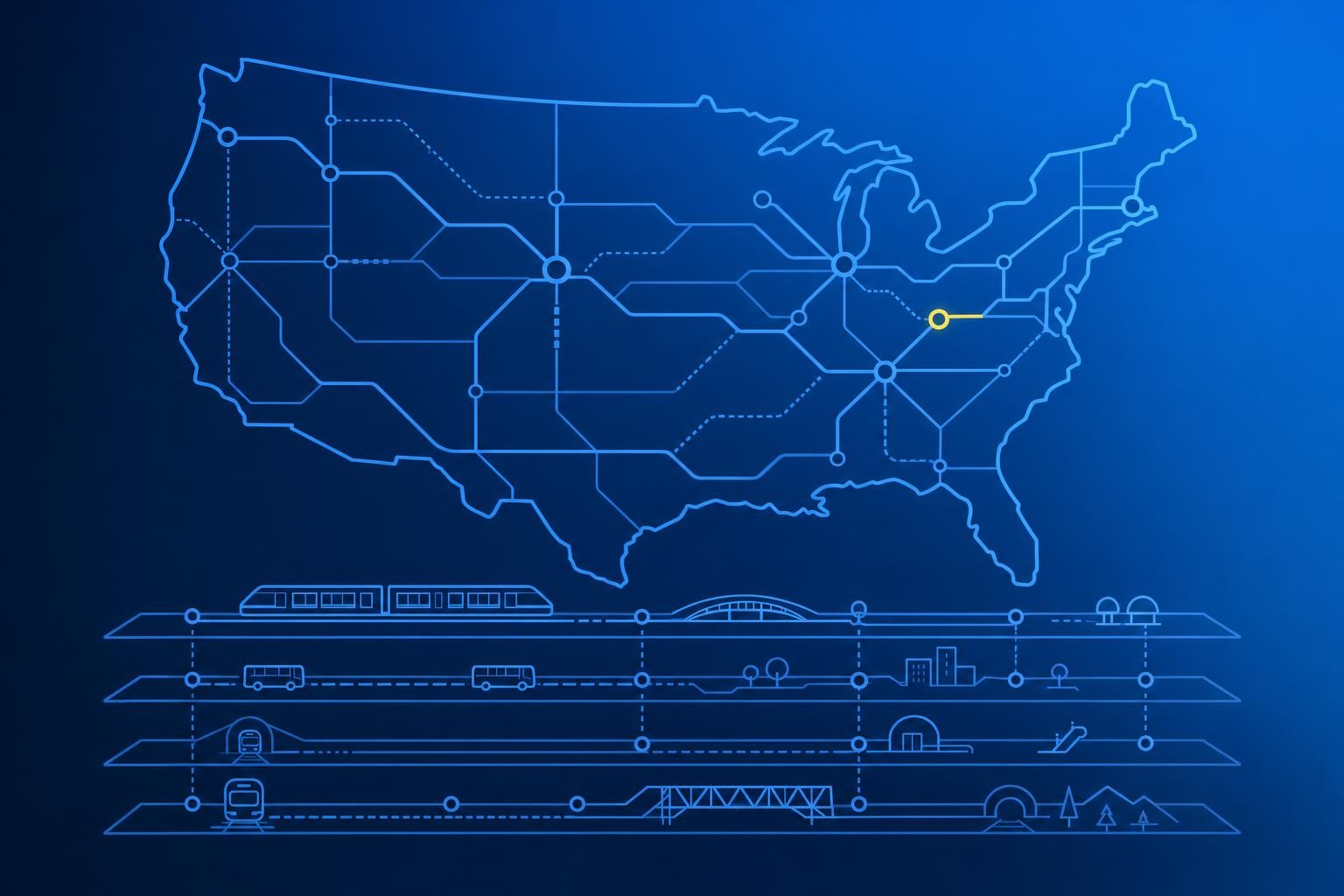 News
NewsFTA proposes to boost transit construction funding share for corridors with above-average birth and marriage rates
The FTA published proposed CIG policy guidance on 1 October 2026 that would raise the federal share of major U.S. transit construction costs by up to 10 percentage points in corridors with above-average birth and marriage rates.
14 Oct 2026